
Bombardier
Valera Valentine
Heuston

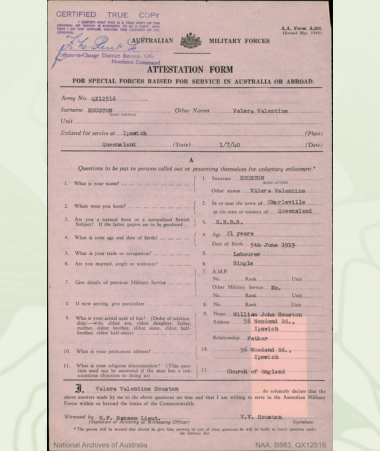
Valera Valentine Heuston was born on the 5th of August 1921 in Charleville Queensland to Mr William John Heuston and Mrs Rose Ellen Heuston (nee Lowe) as the eighth of their 12 children.
| Service Number: | QX12516 |
| Place of Enlistment: | Ipswich |
| Age of Enlistment: | 21 Years |
| Date Of Enlistment: | 1st of July 1940 |
| Embarked: | Sydney, 8th of April 1941 |
| Transport Ship: | SS 'NN' |
| Education: | Coomera State School: 1930-1936 |
| Medals: | 1939-45 Star, Pacific Star, War Medal |
| Place of Death: | Killed in Action, New Guinea, 11th of May 1945 |
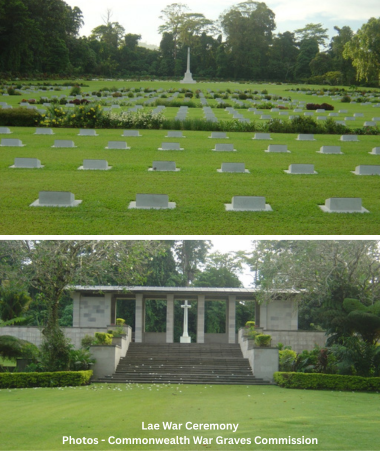
| Resting Place: | Commenorated Lae Memorial, Panel 3, Papua New Guinea |
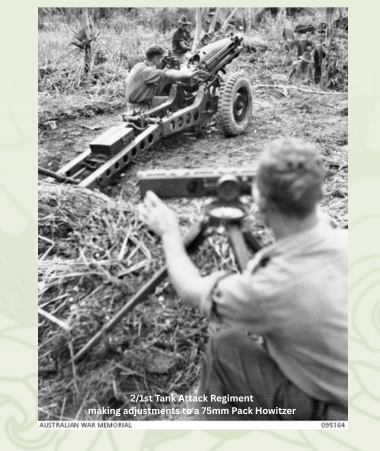
| Unit: | 2/1st Tank Attack Regiment, Royal Australian Artillery |
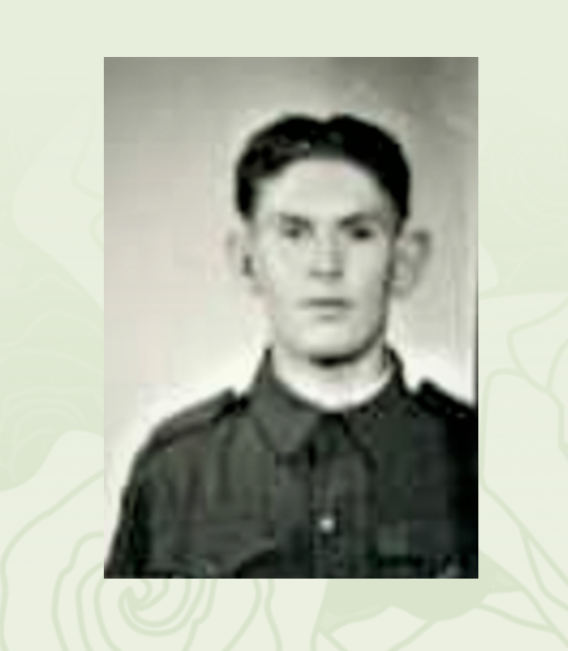
Valera Valentine Heuston was born on the 5th of August 1921 in Charleville Queensland to Mr William John Heuston and Mrs Rose Ellen Heuston (nee Lowe). As the eighth of their 12 children. His older siblings were (oldest to youngest) Andrew (died at birth), Eric, Narelle, Minerva, Geoffrey, Adolph and Frederick. His younger siblings were (oldest to youngest) Colin and Vivian (twin boys), Athol (died in infancy) and Ronald. His father William served in the First World War with the 21st Machine Gun Company where we was Wounded in Action during a gas attack. The early life of Valera is somewhat obscured as the family seems to have moved frequently. However, we know that Valera attended Coomera State School from 1930 to 1936 where completed schooling from grade 2 to grade 7 with the family address given as Pimpama and his father’s occupation listed as a settler. Additionally, his younger brothers Colin, Vivian and Ronald also attended Coomera State School until at least 1939, with the family address listed as Coomera. By 1940 the family had moved to Ipswich. At the time of his enlistment on the 1st of July 1940, Valera was living with his parents at Ipswich where he worked as a labourer.
Four of Valera’s brothers, Eric, Fredrick, Vivian and Colin also served Australia in the Second World War and all would survive. Notably, Valera and Eric would both serve with the 2/1st Tank Attack Regiment, Royal Australian Artillery.
On the 11th of May 1945, Gunners Eric Heuston and Bombardier Valera Heuston were on patrol in the Yarabos area, with Valera serving as the point scout (front of the patrol). Their patrol was ambushed by a numerically superior Japanese force which killed several members of the patrol, including Valera. Despite his brother’s death, Eric took over the role of point scout and led the patrol to safety, killing 8 Japanese soldiers in the process, an act for which he was awarded the Military Medal (the full recommendation for his award is below). This battle took place in the Aitape-Wewak Campaign in Northern New Guinea. This was one of the final campaigns undertaken by Australian forces in the Pacific theatre during the Second World War.
Regarding the war service of his other brothers, Fredrick served with the 2/26th Battalion and was captured by the Japanese at the fall of Singapore. He was liberated from captivity at the end of the war. The twins Vivian and colin would both go on to enlist in the Royal Australian Air Force where both would serve as cooks assistants (although not in the same time and place).
Finally, Valera’s youngest brother Ronald would go on to serve in the Royal Australian Navy during the 1950’s.
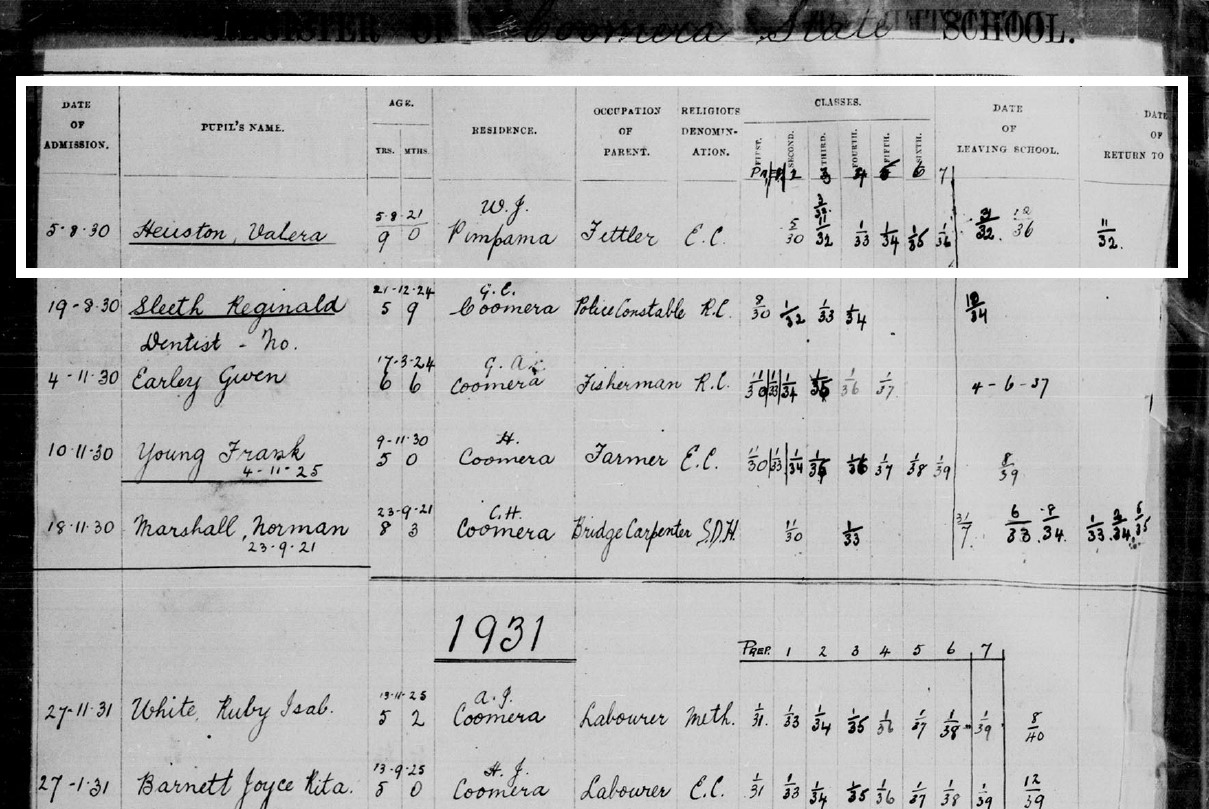
Private Hueston's Coomera State School Register
Troops Arrive at Aitape - Video Australian War Memorial
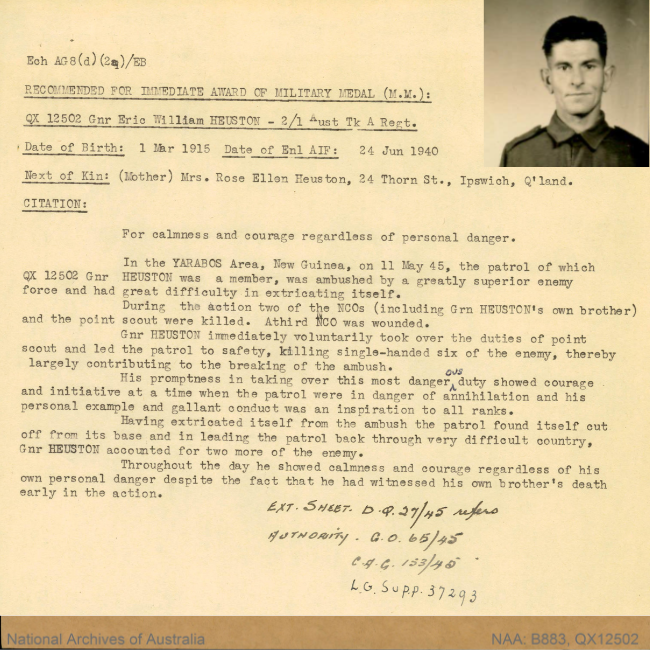
Valera's brother Eric William Heuston's Medal Citation for the Military Medal
Medals & Awards
.png)
The 1939–45 Star is a campaign medal awarded to Australians who had served between 3 September 1939 and 2 September 1945 for a minimum of 6 months, or two months for air crew personnel.
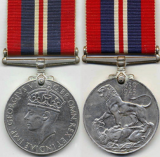
The War Medal 1939-45 was awarded for 28 days full time service in the armed forces over the duration of the Second Word War.
Civilians who worked with the armed services as well as those who served in military hospitals also received this medal.
.png)
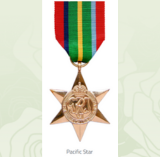
The Pacific Star was awarded for operational service in the Pacific Theatre of Operations between 8 December 1941 and 2 September 1945.
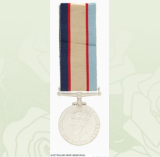
The Australia Service Medal 1939-45 was instituted in 1949 to recognise the service of members of the Australian Armed Forces and the Australian Mercantile Marine during World War II.
Horizontally aligned, rectangular wool flannel colour patch, divided brown over dark blue, for 2/1st Anti Tank Regiment, Royal Australian Artillery.
Worn as a distinguishing unit indication at the head of each sleeve from early 1915.
.png)
.png)
1 - Australian War Memorial
2 - Theodore Electorate Office
3 - www.ancestry.com.au
4 - Australian National Archives
5 - Wikipedia
6 - YouTube
7 - Births, Deaths, Marriages Queensland
.png)