Flight Sergeant
Albert Lane

Albert Lane was born in Wongawallen, Queensland, on the 11th of September 1915 to Mr William Hellier Lane and Mrs Annie Elizabeth Lane (nee Kropp) as the eighth of their 11 children.
| Service Number: | 414701 |
| Place of Enlistment: | Brisbane, Australia |
| Age of Enlistment: | 26 Years, 1 Month |
| Date of Enlistment: | 8th November 1941 |
| Embarked: | 17th October 1942 |
| Education: | Coomera Upper State School: 1922-1930 |
| Medals: | 1939 - 1945 Star, Atlantic Star, War Medal |
| Place of Death: | Presumed Killed in Action as result of Air Operations in the Bay of Biscay 13th August 1943 |
| Resting Place: | Commenorated on Runnymede Memorial, Panel 193 Surrey, United Kingdom |
| Unit: | 461 Squardron Royal Australian Air Force |
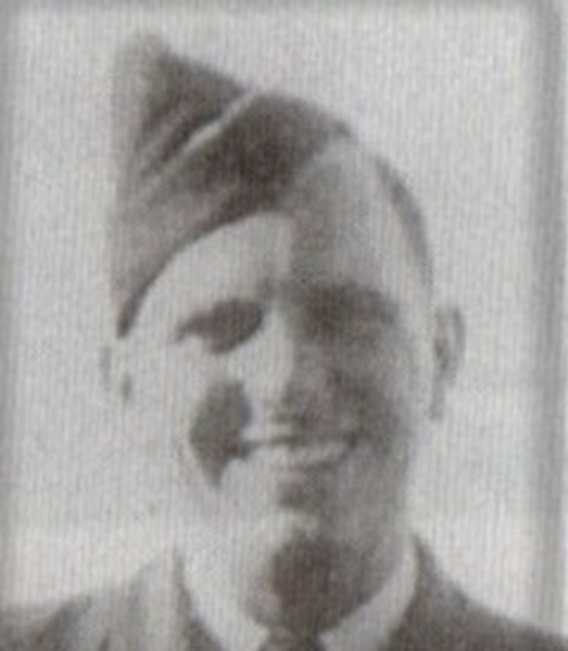
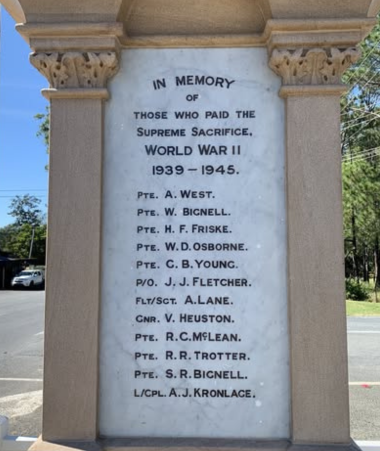
Albert Lane was born in Wongawallen, Queensland, on the 11th of September 1915 to Mr William Hellier Lane and Mrs Annie Elizabeth Lane (nee Kropp) as the eighth of their 11 children. His older siblings (from oldest to youngest) were Florence (died in childhood), Robert, Harold, John, Rosalind, Lucy (died in childhood) and George. His younger siblings were Charles, Grace and Alice (Grace and Alice were twins). In 1941 his younger sister Grace married Joseph John Fletcher, who is also listed on the Upper Coomera Cenotaph. Albert attended Coomera Upper State School from 1922 to 1930 completing his 8th grade schooling before graduating. Prior to his enlistment in the Royal Australian Air Force, Albert lived in Wongawallen where he worked as a farmer. Following his training Flt Sgt Lan was posted to England where he joined No. 461 Squadron RAAF.
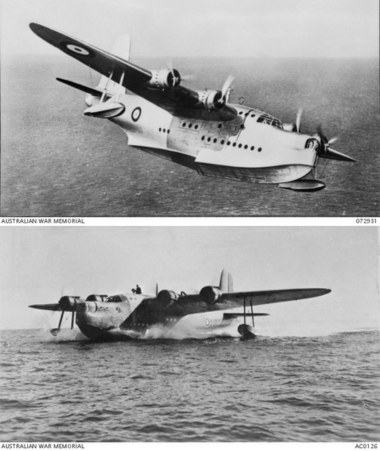
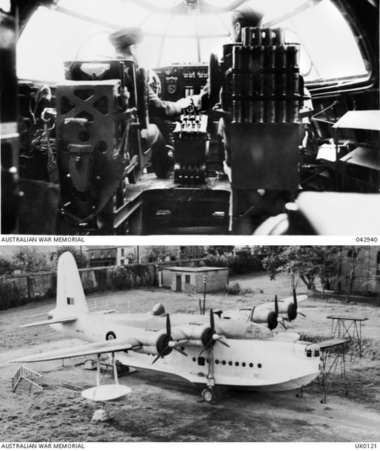
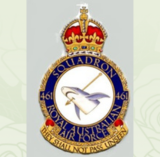
No. 461 Squadron was a RAAF maritime patrol squadron during the Second World War which operated under Royal Air Force control as part of RAF Costal Command. The squadron was formed in 1942 under the Empire Air Training Scheme and was disbanded in mid-1945, just after the end of the war in Europe. Costal Command undertook a variety of roles throughout the war; however their main priority was to tackle the scourge of German U-Boats (submarines). No. 461 Squadron were equipped with the Short Sunderland Flying Boat which were primarily used in this anti-submarine role, hunting U-Boats in the shallower waters of the Bay of Biscay and the Celtic Sea as the U-Boats transited to and from their bases in Brest and La Rochelle. No. 461 Squadron was based around Britain throughout the war and spent most of its service at Pembroke Dock in Wales. Air power was a vital component of the ultimate Allied victory in what came to be called the ‘Battle of the Atlantic’. Ongoing from 1940 to 1945, the Battle of the Atlantic saw Germany attempt to defeat Britian through submarine warfare, with the intention of sinking the shipping that was critical to the Allied war effort.
On the 2nd of June 1943, Flight Sergeant Lane was part of the crew of Sunderland EJ134 (N for "Nuts") which took part in a celebrated air battle in the Bay of Biscay when their aircraft was attacked by eight German Junker 88 (JU88) aircraft. Despite the overwhelming odds, suffering significant damage to the aircraft, the death of one of its crew and the wounding of 5 other crew members, EJ134 survived this 45-minute battle. The crew of EJ134 destroyed at least three of the attacking German aircraft and was able to successfully limp home to Cornwall, England, although EJ134 itself was too badly damaged to be repaired. This is a remarkable feat and deserves more exploration than I can justify here. For a summary of this battle and further information please see the below links:
Australian War Memorial Website
On Friday the 13th of August 1943, Flight Sergeant Lane was part of the crew of Sunderland DV969 which was lost on anti-submarine patrol in the Bay of Biscay. DV969 was attacked and shot down by six JU88 aircraft. All 11 crew members of the Sunderland were lost in the attack, including Albert Lane.
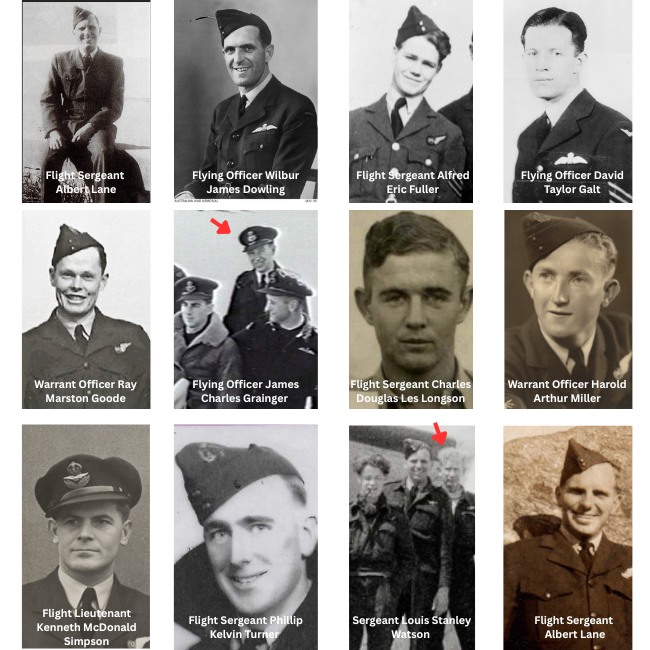
Flight Sergeant Albert Lane and the flight crew of DV969.
Runnymede Air Forces Memorial - Video Commonwealth War Graves Commission
Short Sunderlands in Australian Service - Video Australian Military Aviation History
Medals & Awards
.png)
The 1939–45 Star is a campaign medal awarded to Australians who had served between 3 September 1939 and 2 September 1945 for a minimum of 6 months, or two months for air crew personnel.
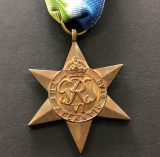
The Atlantic Star is an Imperial military campaign medal that was awarded to individuals who served in the Royal Navy, Merchant Navy, or Royal Air Force in the Battle of the Atlantic during The Second World War.
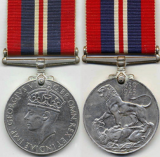
The War Medal 1939-45 was awarded for 28 days full time service in the armed forces over the duration of the Second Word War.
Civilians who worked with the armed services as well as those who served in military hospitals also received this medal
No. 461 Squadron Patch, with its motto 'They Shall Not Pass Unseen'. An apt motto for a squadron submarine hunters
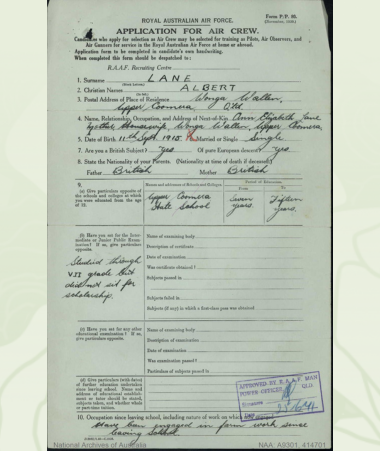

1 - Australian War Memorial
2 - Theodore Electorate Office
3 - Rotary Club of Coomera Valley
4 - Australian National Archives
5 - Wikipedia
6 - YouTube
7 - Births, Deaths, Marriages Queensland
8 - Department of Defence